

What are the best options to improve chipped, stained, or uneven teeth? Many people considering cosmetic dental care visit a dentist in South Edmonton to understand the available options for improving chipped, stained, or uneven teeth. Two commonly discussed treatments are dental bonding and veneers. Both can enhance tooth appearance, but they work in different ways and are suited to different levels of correction.
The decision regarding which one to choose depends on your teeth, the look you want, and how long you want them to remain. Knowing both options will help you choose clearly and confidently.
Understanding Dental Bonding
Dental bonding is a simple cosmetic treatment used to repair small imperfections in teeth. It involves applying a tooth-coloured resin to the tooth’s surface. The material is carefully shaped and then hardened with a special light.
This treatment is commonly used for:
- Small chips or cracks
- Minor gaps between teeth
- Slight shape improvements
- Light surface stains
Bonding is often chosen because it is quick and usually completed in a single visit. It is also minimally invasive, preserving the natural tooth structure.
While bonding can improve the look of your teeth, it may not last as long as other cosmetic treatments. Over time, it can wear down or get stained depending on your habits and how well you care for your teeth.
What are Dental Veneers
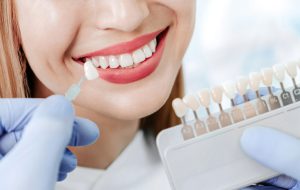
Dental veneers in South Edmonton are thin, custom-made covers placed on the front of teeth. They are usually made from porcelain or a strong composite material. Veneers are made to look like natural teeth while improving their shape, colour, and alignment.
Veneers are commonly used for:
- Deep or long-lasting stains
- Uneven or worn-down teeth
- Gaps or spacing issues
- Creating a more uniform smile appearance
Unlike bonding, veneers usually require multiple visits. A small amount of enamel is removed from the tooth surface to ensure a proper fit. This makes veneers a more permanent cosmetic option with longer-lasting results.
Key Differences Between Bonding and Veneers
Although both treatments improve the appearance of teeth, there are clear differences between them.
- Treatment time: Bonding is usually completed in one appointment, while veneers require multiple visits.
- Durability: Veneers usually last longer and are more stain- and wear-resistant.
- Appearance: Veneers give a smoother, more even look, while bonding provides simple, natural improvements.
- Tooth preparation: Bonding requires very little work on the tooth, but veneers require removing a thin layer of enamel.
- Cost: Bonding is usually less expensive than veneers.
Both treatments can work well, but they are used for different cosmetic needs.
When Dental Bonding May Be Suitable
Dental bonding is often recommended for patients who need small and quick cosmetic improvements. It works best for minor dental concerns rather than major smile transformations.
A dentist near you may suggest bonding when:
- Only a small area of the tooth is affected
- A quick and simple procedure is preferred
- The patient wants a budget-friendly option.
- The changes needed are minimal.
Bonding is a simple way to fix small tooth problems without changing the natural tooth too much. It is especially helpful for people who want quick results without going through complex treatments.
When Veneers May Be The Better Option
Veneers are often recommended when you want a more substantial, longer-lasting improvement to your smile. They can fix several cosmetic problems at once.
When veneers may be a better choice:
- Teeth are stained, and whitening does not help.
- Several teeth need cosmetic changes.
- You want a long-lasting solution.
- You want a smile that’s more even and balanced.
Because veneers are customized, they present a more uniform outcome. In contrast, bonding is less demanding in terms of planning and preparation.
Choosing Between Bonding and Veneers
The choice between bonding and veneers depends on several personal factors. There is no single treatment that works for everyone.
A dental professional usually considers:
- Overall tooth health
- Strength of enamel
- Cosmetic goals
- Bite and alignment
- Budget and long-term expectations
In some cases, both treatments may even be used together for different teeth, depending on the level of correction needed.
What is the Role of A Dental Consultation
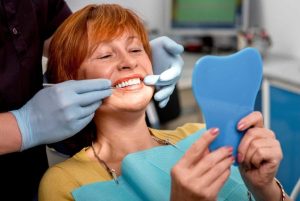
A consultation plays an important role in selecting appropriate treatment. During your consultation, the team will assess your teeth and discuss your goals.
This helps to
- Analyzing the state of every tooth.
- Finding the right treatment.
- Describing anticipated outcomes.
- A step-by-step approach is planned if necessary.
A proper assessment ensures that patients receive a treatment plan that aligns with their oral health needs and cosmetic expectations.
Why Understanding Both Options Matters
Understanding the difference between bonding and veneers helps you make a more informed decision. It also helps you know what results to expect and how to take care of them.
Benefits of knowing both options:
- You understand your treatment options better.
- You know how to take care of them.
- You have clear and realistic expectations
- You can plan better for long-term dental care
With this knowledge, you can choose the treatment that fits your dental needs and budget.
Get Personalized Guidance for Your Smile Goals!
Which cosmetic dental option is right for you? Dental bonding and veneers both offer effective ways to improve the appearance of teeth, but they serve different purposes. Bonding works well for small, quick improvements, while veneers are better suited for more detailed, long-lasting smile changes. The right choice depends on individual goals, oral health, and professional guidance. For a personalized consultation and to explore suitable cosmetic dental options, visit Whitemud Dental Centre.
FAQs
Is dental bonding a permanent fix?
No, dental bonding is not permanent. It can last for a few years, but it may need to be repaired or replaced over time.
Do veneers hurt natural teeth?
Veneers do not hurt teeth when done properly. A thin layer of enamel is usually removed, and the teeth are then protected and improved.
Which option looks more natural?
Both bonding and veneers can look natural, but one may look better depending on your dental needs.
Can bonding fill gaps between teeth?
Yes, bonding can fix small gaps between teeth. Bigger gaps may need other treatments.