

Early detection is one of the most effective tools in modern dentistry for protecting your long-term health. While a standard visual check remains an essential part of your checkup, scheduling an appointment with a trusted dentist in South Edmonton who uses advanced diagnostic technology such as VELScope can help uncover hidden tissue changes before they become visible to the naked eye.
Precancerous cells and early-stage lesions are among the many oral health problems that start deep inside your tissue’s sub-epithelial layers. In a typical examination, surface irregularities are detected only by touch and ambient white light.
Here is a detailed explanation of how VELScope technology works, what makes it better than conventional visual examinations, and why early diagnosis is so important for maintaining your smile’s health.
Understanding Traditional Oral Cancer Screening Methods
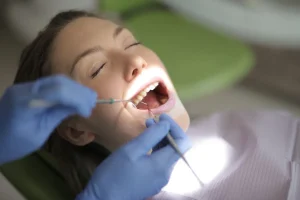
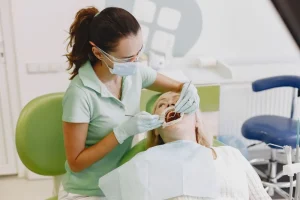
Your dentist visually and manually examines your mouth cavity as part of a routine oral cancer screening at checkup visits. This entails feeling for any strange lumps or firm tissue while examining your tongue, cheeks, floor of the mouth, gums, and soft palate.
This method has inherent limitations, even if it works well for catching obvious sores or elevated bumps:
- Red or white spots are visible indicators that often don’t appear until cellular alterations have progressed.
- Deep tissue lesions can remain completely invisible under normal room lighting.
- Subtle structural changes beneath the top skin layer cannot be identified through visual inspection alone.
By the time an oral lesion becomes clearly visible to the naked eye, the condition may have already progressed significantly. This limitation highlights the need for more sophisticated screening tools.
How Fluorescence Mouth Screening Works
A VELScope examination examines the sensitive tissues within your mouth using specialised blue light technology. The intrinsic optical characteristics of healthy oral tissue are utilised in this procedure, known as fluorescence mouth screening.
Healthy cells absorb the safe blue light and naturally fluoresce, appearing a vivid pale green when the blue light is applied to healthy mucosa. On the other hand, light is absorbed differently by tissue that is diseased, inflammatory, or undergoing aberrant cellular changes.
The following are significant variations in the tissue’s response to blue light:
- Natural structural collagen gives healthy tissue its vivid green colour.
- A loss of natural fluorescence causes abnormal or suspicious tissue to appear dark or dark brown.
- Dysplastic (precancerous) cells show altered patterns that stand out clearly against surrounding healthy areas.
This immediate visual contrast allows your dental team to highlight areas of concern that require closer monitoring or further evaluation.
What VELScope Detects Before It Is Visible
The principal advantage of visiting a VELScope dentist in Edmonton that patients rely on is the ability to catch microscopic tissue alterations as early as possible. Advanced light technology reveals cellular shifts occurring beneath the mucosal surface long before surface discoloration or physical swelling develops.
Through early oral cancer detection, this enhanced screening device can help identify:
- Precancerous dysplasia located in the deeper layers of tissue.
- Early-stage squamous cell carcinomas before they form visible sores.
- Unseen viral, bacterial, or fungal mucosal infections.
- Salivary gland blockages and chronic localized tissue inflammation.
- Abnormal healing sites following recent trauma or extractions.
Identifying these subtle cellular anomalies early provides the opportunity for prompt intervention and significantly improves treatment outcomes.
What to Expect During a VELScope Examination
If you are looking for a comprehensive assessment from a dentist near you, incorporating VELScope technology into your routine visit is quick, comfortable, and seamless. The entire screening process takes only two to three minutes and is integrated directly into your regular checkup.
Here is what happens during a typical screening session:
- The practitioner conducts a standard visual and physical examination of your mouth, neck, and jawline.
- The main overhead dental lights are dimmed to create optimal viewing conditions.
- A hand-held optical scope emits a targeted blue light across your tongue, cheeks, palate, and gums.
- Your practitioner looks directly through the specialized scope lens to assess the natural fluorescence of your tissue.
- If dark spots or suspicious boundaries appear, images are captured for documentation and tracking.
The exam is completely non-invasive, painless, requires no chemical rinses, and involves zero radiation exposure.
Who Should Prioritize Enhanced Oral Cancer Screenings?
Comprehensive screening is beneficial for everyone, but certain health conditions and lifestyle choices increase the risk of oral tissue abnormalities. For those with higher risk profiles, selecting a specialised VELScope oral cancer screening in South Edmonton is strongly advised.
Key factors that warrant regular light-based screening include:
- A history of tobacco use, including cigarettes, cigars, pipes, or smokeless tobacco.
- Regular or heavy alcohol consumption.
- Exposure to the Human Papillomavirus (HPV-16), a growing risk factor for oral cancers.
- Individuals aged 40 and older.
- A personal or family history of skin or oral malignancies.
- Extended sun exposure, which increases the risk of lip cancer.
Even without known risk factors, incorporating advanced screenings into your continuous preventive health routine provides valuable peace of mind.
Protect Your Smile with Advanced Preventive Care
The best way to protect your overall health and identify potential problems early is to be proactive about your dental health. Incorporating cutting-edge screening technologies into your regular dental care guarantees that even minute, imperceptible tissue changes are quickly detected.
Contact Whitemud Dental Centre today to schedule your comprehensive oral health checkup and consultation.
Frequently Asked Questions
Is a VELScope screening painful or uncomfortable?
No, the screening is completely painless and non-invasive. The practitioner shines a gentle blue light into your mouth, making the experience similar to using a standard dental mirror during a cleaning.
Does a dark spot during a VELScope exam mean I have cancer?
Not necessarily. A dark area under the light indicates a loss of natural fluorescence, which can be caused by benign inflammation, trauma, or simple tissue irritation. Your provider will evaluate the area and determine if re-checking or further testing is necessary.
How often should I get a VELScope screening?
As part of your annual preventive dental examination, an improved light-based screening is typically advised. More frequent checkups may be beneficial for people with elevated risk factors.
How long does the screening procedure take?
The VELScope light assessment takes less than three minutes to complete. Because it is fast and non-invasive, it fits easily into your regular dental checkup without adding significant time to your visit.